
New vs Used Shipping Containers in the UAE: Which Is Better for Your Business? Connect with Pearltainer.com today. +971 50 285 7574
Choosing between new and used shipping containers in the UAE is an important decision for businesses involved in logistics, construction, trading, manufacturing, warehousing and industrial operations. Both options offer practical advantages, but the right choice depends on your budget, intended use, container condition, expected service period and operational requirements.
Some businesses prefer new or one-trip shipping containers because of their cleaner appearance and limited previous use. Others choose used shipping containers because they can offer a more economical solution for general storage and suitable commercial applications.
If you are searching for used shipping containers UAE, it is important to understand the difference between new, one-trip, cargo-worthy, wind and watertight, and as-is containers before making a purchase.
At Pearltainer FZE, customers can enquire about container requirements for different commercial and industrial applications. This guide explains how to compare new and used shipping containers, what to inspect before purchasing, which factors influence the price and how to select the right container for your business.
Table of Contents
- Understanding New and Used Shipping Containers
- What Is a New or One-Trip Shipping Container?
- What Is a Used Shipping Container?
- New vs Used Shipping Containers: Key Differences
- Advantages of Buying New Shipping Containers
- Advantages of Buying Used Shipping Containers
- Which Container Is Better for Different Businesses?
- Understanding Shipping Container Condition Grades
- What to Inspect Before Buying a Used Container
- Factors That Affect Shipping Container Prices in the UAE
- 20ft vs 40ft Shipping Containers
- Buying a Container for Storage vs International Shipping
- Common Mistakes to Avoid When Purchasing
- Should You Buy New or Used?
- Why Consider Pearltainer for Container Requirements?
- Frequently Asked Questions
- Request a Shipping Container Quote in the UAE
1. Understanding New and Used Shipping Containers
Shipping containers are manufactured for transporting cargo and are widely used for storage and other commercial applications. They are available in different sizes, designs and conditions.
When purchasing a container, buyers generally compare two broad options: new or one-trip containers and previously used containers.
A new or one-trip container has generally completed one loaded journey after manufacture. It usually has limited operational wear and a relatively clean appearance.
A used shipping container has previously been used for cargo transportation or other applications. Its condition depends on its age, handling history, maintenance, repairs and previous operating environment.
The important point is that a used container is not necessarily unsuitable, and a new container is not automatically the best choice for every application.
For example, a business requiring a container for long-term outdoor storage may find a suitable wind and watertight used container more economical. A company planning a visible customer-facing installation or a specialised conversion may prefer a cleaner new or one-trip container.
The right decision should be based on the actual condition of the unit and the work it needs to perform.
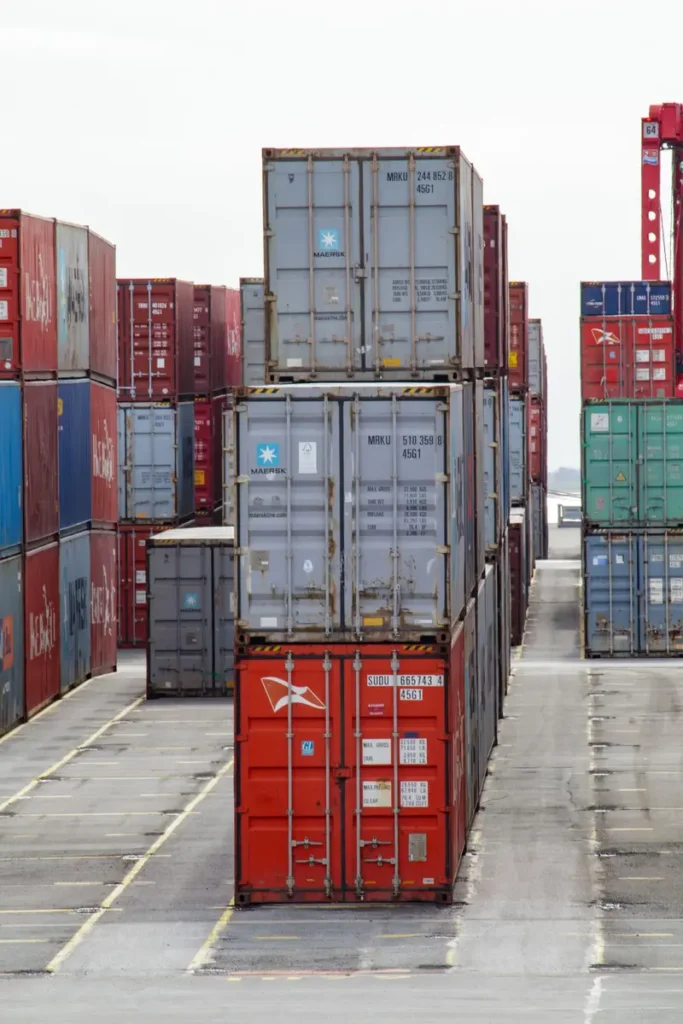
Used Shipping Containers in the UAE. New Shipping Containers in the UAE. New vs Used Shipping Containers in the UAE
2. What Is a New or One-Trip Shipping Container?
A new shipping container is manufactured to meet the applicable container specifications and is generally supplied with minimal previous use.
In the commercial container market, the term “one-trip container” is commonly used for a container that has made one loaded journey from its manufacturing location to its destination market.
Although these containers are often described as new, they may have minor handling marks, scratches or small dents from transportation and handling.
Common characteristics of new or one-trip containers
- Relatively clean exterior appearance
- Limited previous cargo use
- Generally cleaner internal flooring
- Less visible operational wear
- Door locking mechanisms typically in better cosmetic condition
- Suitable for applications where appearance is important, subject to specification
- Potentially preferable for projects requiring a cleaner starting point
Where are new containers commonly considered?
New or one-trip containers may be suitable for:
- Long-term commercial storage
- Warehouse installations
- Retail and trading businesses
- Container modification projects
- Office or cabin conversion projects
- Customer-facing locations
- Businesses that prefer limited previous use
Before purchasing, confirm the actual manufacturing details, container condition, identification number, dimensions and documentation. Do not assume that the word “new” means the container has never been handled or transported.
Used Shipping Containers in the UAE. New Shipping Containers in the UAE. New vs Used Shipping Containers in the UAE
3. What Is a Used Shipping Container?
A used shipping container is a container that has previously been used in cargo transportation, storage or another application.
Used shipping containers are available in different conditions. Some may be structurally sound and suitable for international cargo transportation, while others may be appropriate only for stationary storage.
The price and suitability of a used container depend on its actual condition rather than its age alone.
Common characteristics of used shipping containers
- Previous transportation or storage use
- Possible surface rust and paint fading
- Minor dents and handling marks
- Potentially repaired panels or flooring
- Different levels of internal and external wear
- Condition-dependent suitability for shipping or storage
A used container can be a practical purchase when its condition matches the intended application.
For example, a trading company that needs additional storage space may not require a visually perfect container. However, it still needs a unit with sound flooring, functional doors, adequate weather protection and suitable structural condition.
Why are businesses searching for used shipping containers in the UAE?
Businesses may consider used containers because they want to:
- Reduce the initial purchase investment
- Add storage capacity economically
- Support temporary or project-based requirements
- Store equipment and commercial materials
- Expand warehouse capacity
- Obtain containers in different sizes and specifications
The most important step is to inspect the actual unit and obtain a written description of its condition before purchasing.
4. New vs Used Shipping Containers: Key Differences
New and used containers serve many similar applications, but their condition, appearance and purchase costs can differ considerably.
The following comparison provides a general buying guide.
| Comparison factor | New / One-Trip | Used |
|---|---|---|
| Previous usage | Generally one loaded journey | Previously used |
| Exterior appearance | Usually cleaner | May show wear and repairs |
| Internal condition | Generally cleaner | Depends on usage history |
| Surface rust | Usually limited | May be present |
| Dents and scratches | Usually minor | Varies by condition |
| Initial purchase cost | Generally higher | Often lower |
| Inspection | Still necessary | Especially important |
| Conversion projects | Often preferred for clean finishes | Suitable depending on condition |
| General storage | Suitable | Suitable if condition is appropriate |
| Expected service life | Depends on maintenance and environment | Depends on age, condition and maintenance |
The comparison is general. Actual specifications and condition should always be verified for the individual container.
Which offers better value?
The lowest purchase price does not always represent the best value.
A used container with damaged flooring, leaking doors or significant corrosion may require repairs that increase its total cost.
Similarly, a new container may involve a higher initial investment than necessary for a basic storage application.
Compare the total cost of ownership, including purchase price, transportation, unloading, positioning, repairs and future maintenance.
5. Advantages of Buying New Shipping Containers
New or one-trip containers can be an attractive option for businesses that prioritise appearance, limited previous use and a clean starting condition.
Better initial appearance
A new or one-trip container generally has a cleaner exterior finish and fewer signs of previous cargo operations. This may be important for installations at commercial premises, retail locations or visible project sites.
Cleaner internal condition
Businesses storing packaged goods, equipment or materials may prefer a container with a cleaner interior and flooring.
However, the internal condition should still be inspected before accepting delivery.
Suitable for modification projects
If you plan to convert a container into a workshop, office, cabin or another customised structure, starting with a cleaner unit may simplify certain preparation activities.
The final suitability depends on structural condition, design requirements, engineering and applicable approvals.
Less previous operational wear
Limited previous use may mean fewer signs of cargo handling and operational wear. However, new containers still require inspection for transportation damage and manufacturing defects.
Better choice for appearance-sensitive applications
A new container may be more appropriate where the exterior appearance forms part of a commercial installation or customer-facing environment.
6. Advantages of Buying Used Shipping Containers
Used shipping containers can offer an economical alternative for businesses that need practical storage or cargo equipment without requiring a near-new appearance.
Lower initial investment
Used containers generally cost less than comparable new or one-trip units, although the actual price difference depends on condition, size, type and market availability.
This may help businesses manage their initial expenditure.
Practical for general storage
A suitable wind and watertight used container can be considered for storing tools, packaged goods, equipment and other compatible materials.
For many storage applications, cosmetic imperfections do not affect the intended use.
Suitable for project-based applications
Construction companies, industrial contractors and trading businesses may need containers for specific projects or operational requirements.
A properly inspected used container may offer a suitable solution without requiring the higher expenditure associated with a new unit.
Different condition options
Used containers may be available in different grades and conditions. This allows buyers to select according to their intended application and budget.
Potentially better value for non-cosmetic applications
If appearance is not a priority, paying extra for a near-new exterior finish may not provide meaningful business value.
The buyer should focus on structural condition, weather protection, doors, flooring and suitability for the intended use.
7. Which Container Is Better for Different Businesses?
The right choice depends on what the business plans to do with the container.
Construction companies
Construction contractors often require containers for storing tools, machinery accessories, packaged materials and site supplies.
A suitable used container may be sufficient for general site storage, provided the doors, floor, roof and structure are in acceptable condition.
A new container may be preferable where a cleaner appearance or longer-term installation is important.
Logistics and freight forwarding companies
Logistics businesses should distinguish between containers intended for stationary storage and containers intended for international cargo transportation.
If the container will carry cargo by sea, the buyer should verify its cargo-worthy condition and applicable Container Safety Convention (CSC) approval requirements.
A used container may be appropriate when it meets the required transport standards and has the necessary valid documentation.
Trading and import-export businesses
Trading companies may need containers for temporary inventory storage or cargo-related operations.
For stationary storage, a suitable wind and watertight unit may be sufficient. For international transport, the container must meet the relevant shipping requirements.
Manufacturing and industrial businesses
Manufacturers may use containers to store spare parts, equipment, tools and packaged supplies.
The choice between new and used should depend on the storage environment, frequency of access, expected duration of use and condition requirements.
Retail and distribution businesses
Retailers and distributors may require additional storage during seasonal demand or business expansion.
A new container may be attractive for visible commercial locations, while a suitable used unit may be more economical for back-of-house storage.
Container conversion businesses
Businesses planning to modify containers into offices, workshops, cabins or other structures should inspect the frame, walls, roof and floor carefully.
A new or one-trip container can offer a cleaner starting point, but a used container may also be suitable if its structure and condition meet the conversion requirements.
Explore Storage and Modified Containers for additional container applications.
8. Understanding Shipping Container Condition Grades
One of the most important things to understand before purchasing a used container is its condition grade.
Different suppliers may use different descriptions. Therefore, always ask for a written explanation of the grade and confirm that it matches the actual container.
New / One-Trip
A new or one-trip container has generally completed one loaded journey. It normally has limited previous use and relatively minor cosmetic wear.
It may be suitable for buyers who prefer a cleaner appearance or limited previous use.
Cargo-Worthy (CW)
Cargo-worthy describes a container that is considered suitable for cargo transportation by sea, subject to applicable inspection and approval requirements.
Where required, verify the CSC safety approval plate and its validity. Do not rely only on a seller’s verbal description.
Wind and Watertight (WWT)
Wind and watertight containers are generally intended to prevent ordinary wind and water ingress when properly closed and maintained.
They are commonly considered for stationary storage applications.
A wind and watertight container should not automatically be treated as suitable for international sea transportation.
As-Is
An as-is container is sold in its stated existing condition, which may include defects or damage.
It may be considered for repair projects, parts or applications where its limitations are acceptable. It is generally not appropriate for buyers who expect a guaranteed weatherproof or cargo-worthy unit without further inspection.
Why does the grade matter?
The condition grade helps establish what the buyer should expect from the container.
A low-priced as-is unit may not be suitable for a business that requires secure, weatherproof storage. A cargo-worthy unit may be unnecessary for a stationary storage application.
Select the grade according to the intended use rather than choosing solely on price.
9. What to Inspect Before Buying a Used Container
Inspection is one of the most important stages of purchasing a used shipping container.
Do not finalise a purchase based only on a few exterior photographs or a general description. Request clear photographs, videos and access to inspect the actual container wherever possible.
1. Exterior walls
Check the side walls and end panels for significant dents, holes, tears and corrosion.
Minor cosmetic dents may be normal on used containers. Damage that affects the structure or allows water to enter requires closer attention.
2. Roof condition
Inspect the roof for holes, heavy corrosion, damaged sections and deep dents that may collect standing water.
Roof defects can lead to water ingress and damage to stored materials.
3. Corner posts and castings
Inspect the corner posts and corner castings for cracks, distortion or significant corrosion.
These components are important for lifting, handling and stacking. Structural damage should be evaluated by a qualified inspector.
4. Doors and locking mechanisms
Open and close both doors. Check whether the hinges, locking bars, handles and locking mechanisms operate correctly.
Doors should close properly without excessive force.
5. Door seals and gaskets
Inspect the rubber seals around the doors. Damaged, missing or deteriorated seals can allow water and dust to enter.
6. Internal flooring
Check the floor for soft areas, holes, severe damage, moisture and contamination.
If the container will store heavy equipment, confirm that its flooring and structural specifications are appropriate for the intended load.
7. Interior walls and ceiling
Look for holes, water stains, rust-through, damaged panels and signs of previous repairs.
The internal condition should be suitable for the products or equipment you intend to store.
8. Light test
Where practical, close the container doors and inspect the interior for visible daylight entering through the roof, walls or door seals.
Visible light may indicate an opening that needs investigation.
9. Odour and contamination
Check for unusual smells, chemical residues, stains or signs of previous cargo contamination.
This is especially important if you intend to store food packaging, sensitive materials or products that may be affected by contamination.
10. Container identification number
Verify the container identification number on the unit and ensure that it matches the sales documentation.
11. CSC safety approval plate
If the container is intended for international sea transportation, verify the CSC plate and applicable inspection or examination status.
A container suitable for stationary storage should not automatically be assumed to be approved for cargo transport.
12. Previous repairs
Ask about repairs to the roof, walls, floor, doors and structural components.
Check whether the repairs are suitable for the container’s intended application.
13. Photographs and inspection records
Request recent photographs of the exact container being sold, not just representative photographs of similar stock.
For larger purchases, high-value units or specialised applications, consider an independent inspection.
14. Delivery condition
Agree on the expected condition at handover and record any existing defects before delivery or collection.
A written inspection record can help prevent disagreements later.
10. Factors That Affect Shipping Container Prices in the UAE
The price of a shipping container in the UAE depends on several factors. There is no single price applicable to every new or used container.
Container size
20ft and 40ft containers have different dimensions and capacities. Larger containers generally involve a different purchase cost and transportation requirement.
New or used condition
New and one-trip containers generally cost more than comparable used containers.
The condition of a used unit can also create substantial price differences.
Condition grade
Cargo-worthy, wind and watertight and as-is containers have different suitability and condition expectations.
The quoted grade should be clearly defined before purchase.
Container type
Standard dry containers, high cube containers, refrigerated containers, open top containers and flat rack containers have different specifications.
Specialised containers may involve additional equipment and inspection costs.
Brand, manufacturer and specification
Manufacturing specifications, dimensions, design and equipment can influence the value of certain containers.
Delivery and transportation
The delivery location, transportation distance, access conditions and unloading requirements can affect the total cost.
Repairs and modifications
A used container requiring repainting, flooring repairs, door repairs or other modifications may involve additional expenditure.
Market availability
Prices can vary depending on supply, demand, location, inventory and prevailing market conditions.
How should you compare quotations?
Ask suppliers to provide a clear quotation showing:
- Container size and type
- New or used condition
- Condition grade
- Exact container number, where available
- Purchase price
- Applicable taxes and charges
- Delivery and unloading costs
- Any additional services
- Documentation and handover conditions
Compare the complete delivered cost rather than looking only at the advertised container price.
11. 20ft vs 40ft Shipping Containers
Container size is another important consideration when purchasing new or used shipping containers.
20ft shipping container
A standard 20ft container has an approximate external length of 6.06 metres.
It is commonly considered for:
- Construction site storage
- Tools and equipment
- Commercial inventory
- Warehouse overflow
- General cargo storage
- Smaller site installations
40ft shipping container
A standard 40ft container has an approximate external length of 12.19 metres.
It may be suitable for:
- Larger inventory quantities
- Industrial supplies
- Warehouse storage
- Construction materials
- Commercial distribution
- Larger cargo requirements
Which size should you choose?
Choose a 20ft container when your storage requirement and available placement area are relatively limited.
Consider a 40ft container when you need greater floor space and have sufficient site access for delivery and positioning.
High cube versions provide additional internal height compared with standard-height containers. Confirm the actual internal and external dimensions of the selected unit before purchasing.
12. Buying a Container for Storage vs International Shipping
A container used for stationary storage does not necessarily need the same approval status as a container used for international sea transportation.
Understanding this difference can help prevent an unsuitable purchase.
For stationary storage
If you intend to keep the container at a warehouse, construction site or industrial premises, focus on:
- Weather protection
- Structural condition
- Functional doors
- Secure locking arrangements
- Internal flooring
- Site suitability
- Appropriate placement and permissions
A suitable wind and watertight container may be sufficient for certain stationary storage requirements.
For international cargo transportation
If the container will carry cargo by sea, additional requirements apply.
Check:
- Cargo-worthy condition
- CSC safety approval plate
- Applicable examination and approval status
- Structural condition
- Container identification
- Shipping line or carrier acceptance requirements
Do not assume that every used container can be exported or accepted by a shipping line.
Confirm the applicable requirements with the relevant shipping line, carrier or qualified inspection provider before purchasing.
13. Common Mistakes to Avoid When Purchasing a Shipping Container
Buying only on the basis of price
The cheapest container may require expensive repairs. Always consider its actual condition and total delivered cost.
Not checking the exact container
Photographs of a similar container do not guarantee the condition of the unit being purchased. Request photographs and identification details of the actual container.
Ignoring the roof and floor
Buyers sometimes focus on visible side panels while overlooking roof corrosion and flooring damage. Both areas are important.
Confusing wind and watertight with cargo-worthy
A wind and watertight container is not automatically approved for international cargo transportation. Confirm the intended use and applicable certification.
Not checking delivery access
A container may fit within your property but still be difficult to deliver because of restricted entrances, turning space or overhead clearance.
Ignoring additional costs
Transportation, unloading, positioning, repairs and modifications can increase the final expenditure.
Not confirming the agreement
Ensure that the purchase documentation describes the container size, condition, identification number, price, delivery terms and any agreed condition commitments.
14. Should You Buy New or Used?
The best choice depends on your business requirements.
Choose new or one-trip if:
- You prefer a cleaner appearance.
- You need a relatively clean internal condition.
- You plan a conversion project requiring a suitable starting condition.
- The container will be installed in a visible commercial location.
- Your budget allows a higher initial investment.
Choose used if:
- You want to manage the initial purchase cost.
- You need general storage capacity.
- Cosmetic appearance is not a major concern.
- You can inspect the container before purchasing.
- The unit’s condition matches your intended application.
Final buying recommendation
For businesses requiring economical general storage, a properly inspected used wind and watertight container may offer good value.
For businesses requiring limited previous use, a cleaner appearance or a suitable starting point for a conversion, a new or one-trip container may be preferable.
For international shipping, make the decision based on cargo-worthy condition and applicable CSC requirements, not simply whether the container is new or used.
The best container is the one that meets your operational requirements at a reasonable total cost.
15. Why Consider Pearltainer for Container Requirements?
Pearltainer FZE is based in Hamriyah Free Zone, Sharjah, UAE, and provides container-related solutions for customers with commercial and industrial requirements.
Businesses looking for new or used shipping containers in the UAE can contact Pearltainer to discuss their required size, type, condition and intended application.
Container requirements for different businesses
Different businesses need different container specifications. Construction companies, trading businesses, logistics operators and industrial organisations may have different requirements.
Providing details about the intended use helps identify the appropriate container category.
20ft and 40ft container enquiries
Customers can enquire about standard 20ft and 40ft shipping containers, including relevant size and specification options, subject to availability.
New and used container options
The choice between new and used containers depends on the required condition, application and budget.
Customers should confirm the exact unit’s condition and documentation before proceeding.
Multiple container categories
Depending on availability, customers can also enquire about refrigerated containers, storage containers, modified containers and specialised container requirements.
Explore the following Pearltainer pages:
UAE-based contact
Pearltainer FZE operates from Hamriyah Free Zone, Sharjah, UAE.
Contact the company to discuss your container requirements and request a quotation based on the selected specification and current availability.
16. Frequently Asked Questions
1. Are used shipping containers in the UAE worth buying?
Used shipping containers can be a practical and economical option when their condition matches the intended application. Inspect the structure, roof, doors, flooring and seals before purchasing.
2. Is a new shipping container better than a used container?
A new or one-trip container generally offers a cleaner appearance and limited previous use. A used container may offer a lower initial purchase cost. The better choice depends on your budget, intended use and condition requirements.
3. What is the difference between new and one-trip containers?
A one-trip container has generally completed one loaded journey after manufacture. It is often described as new in the container market, although minor handling marks and scratches may be present.
4. What does wind and watertight mean?
Wind and watertight generally describes a container that prevents ordinary wind and water ingress when properly closed and maintained. It may be suitable for stationary storage, but it should not automatically be considered cargo-worthy for international shipping.
5. What does cargo-worthy mean?
Cargo-worthy refers to a container considered suitable for cargo transportation by sea, subject to the relevant inspection and approval requirements. Verify the CSC plate and applicable status before purchasing.
6. Which is better for warehouse storage: new or used containers?
Both may be suitable. A properly inspected used wind and watertight container can be economical for general storage, while a new container may be preferred for appearance or specific condition requirements.
7. Should I inspect a used shipping container before buying?
Yes. Inspect the roof, walls, corner posts, doors, seals, flooring and internal condition. Also verify the container identification number and relevant documentation.
8. How much does a used shipping container cost in the UAE?
The price depends on the container size, condition, grade, type, location and delivery requirements. Request a quotation for the exact specification instead of relying on a general market price.
9. Is a 20ft used container cheaper than a 40ft container?
A 20ft container generally has a lower purchase price than a comparable 40ft container, but actual prices depend on condition, type, availability and other commercial factors.
10. Can I use a used container for international shipping?
Only if it meets the applicable cargo transportation and safety requirements. Confirm cargo-worthy condition, CSC approval status and carrier acceptance before using it for international shipment.
11. Can a used shipping container be converted into an office?
It may be suitable for conversion if its structural condition and dimensions meet the proposed design requirements. Insulation, ventilation, electrical installations, engineering and applicable approvals must also be considered.
12. Is surface rust normal on a used shipping container?
Some surface rust is common on used steel containers. However, deep corrosion, holes, rust-through and damage to structural components require careful inspection.
13. What is the expected lifespan of a used shipping container?
There is no fixed remaining lifespan for every used container. It depends on its age, original construction, maintenance, previous usage, corrosion and environmental exposure. Inspect the individual unit rather than relying only on its age.
14. What documents should I request when buying a used container?
Ask for a sales invoice or agreement identifying the container, its size, condition and agreed price. If it is intended for international transportation, verify the relevant CSC approval and inspection information.
15. Can I buy used 40ft shipping containers in Dubai?
Businesses can enquire about used 40ft containers for sale in Dubai and across the UAE. Confirm current availability, container condition, delivery location and specifications with the supplier.
16. What is the best container condition for temporary storage?
A suitable wind and watertight container may be appropriate for many temporary storage applications. Its doors, seals, roof, walls and floor should be inspected before use.
17. Are used high cube shipping containers available?
Used high cube containers may be available depending on market inventory. Confirm the actual internal and external dimensions and the unit’s condition before purchasing.
18. What should I check before arranging container delivery?
Confirm site access, ground conditions, available space, overhead clearance, vehicle access, unloading arrangements and any required property or authority permissions.
17. Request a New or Used Shipping Container Quote in the UAE
Looking for used shipping containers in the UAE or comparing new and one-trip container options?
Whether your business needs a 20ft shipping container for storage, a 40ft container for commercial inventory or a suitable unit for an industrial application, selecting the correct specification is important.

Contact Pearltainer FZE to discuss your requirements.
Pearltainer FZE
Hamriyah Free Zone, Sharjah, UAE
Phone: +971 6 5536205
Mobile: +971 50 285 7574
Email: info@pearltainer.com
Website: https://pearltainer.com/
When enquiring, share the following details:
- Required container size: 20ft or 40ft
- New or used preference
- Required condition or grade
- Intended application
- Quantity required
- Delivery location
- Any special specifications
Compare new and used shipping containers and request a quotation from Pearltainer for your business requirements in the UAE.
Offshore Containers and Industrial Containers
Portable Cabins and Modular Units
Storage and Modified Containers
Container Sales, Rental and Logistics Solutions in the UAE
Container Accessories and Parts
Latest Blogs
New vs Used Shipping Containers in the UAE
Shipping Container Rental in Dubai
How Much Does a 40ft Shipping Container Cost in UAE?
Reefer Container for Sale and Rental in UAE | Best 20ft & 40ft Prices
Used 40 feet container for sale in Dubai
For transportation or wider freight and logistics enquiries, customers may also visit PearlGlobal UAE to explore the related logistics services offered by that business.